

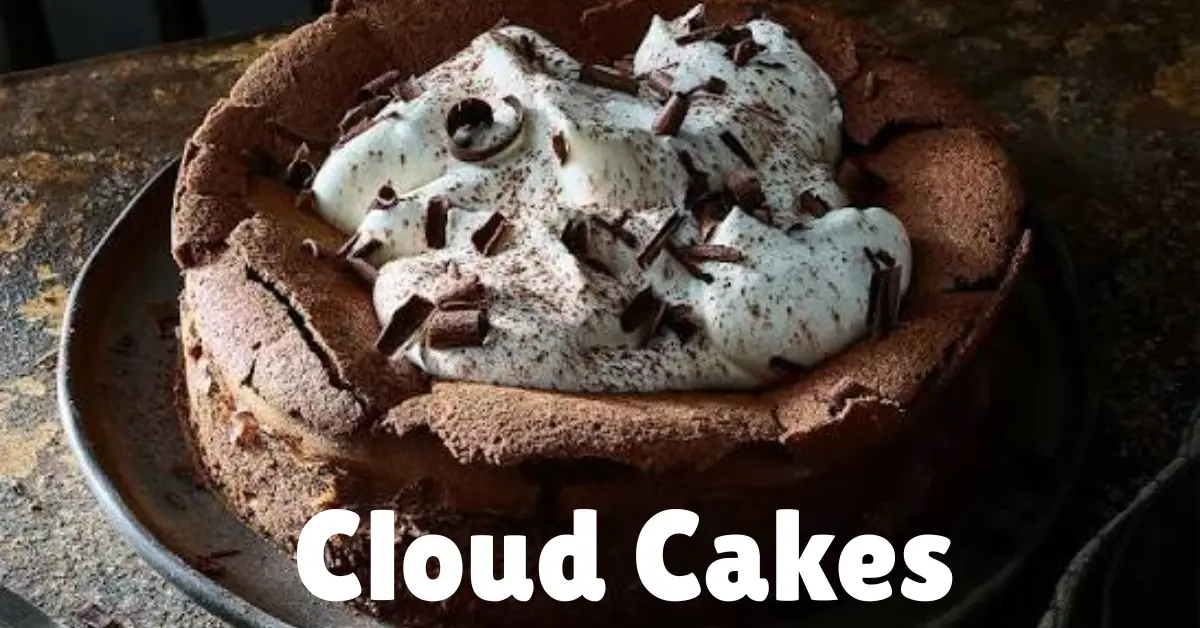
Cloud cakes are known for an exceptionally soft, airy texture that feels much lighter than a typical butter cake. Instead of relying mainly on fat and dense batter for structure, many versions use carefully whipped eggs, gentle folding, and controlled baking temperatures to create a delicate crumb. The result can range from a flourless, soufflé-like dessert to a layered sponge topped with cream or meringue.
The term does not describe one universally standardized recipe. A baker searching for cloud cakes may encounter chocolate versions, coconut cakes, lemon cakes, flourless recipes, meringue-based desserts, and Japanese-inspired creations. What connects them is the goal of producing a cake that feels tender, fluffy, and almost weightless when sliced.
This guide explains what cloud cakes are, why they rise, which ingredients matter, how to make a reliable version at home, and what to do when the cake sinks or becomes dense. It also compares common variations and clears up several misconceptions that can make this style of baking confusing.
What Are Cloud Cakes?
Cloud cakes are a broad family of light-textured cakes that get much of their volume from incorporated air. In many recipes, egg whites are whipped separately and then folded into the remaining batter. The tiny air bubbles trapped in the egg foam expand as the cake heats, helping create the characteristic soft structure.
There is no single official formula. For example, Martha Stewart’s cloud cake uses meringue layers, while other interpretations use sponge cake, whipped cream, yogurt, chocolate, or citrus. King Arthur Baking’s lemon cloud cake takes another approach, combining tender cake layers with lemon-based fillings and cream.
This variation is important because two recipes carrying the same name can produce very different desserts. One may be nearly flourless and soufflé-like, while another resembles an extra-light layer cake.
What Makes a Cake “Cloud-Like”?
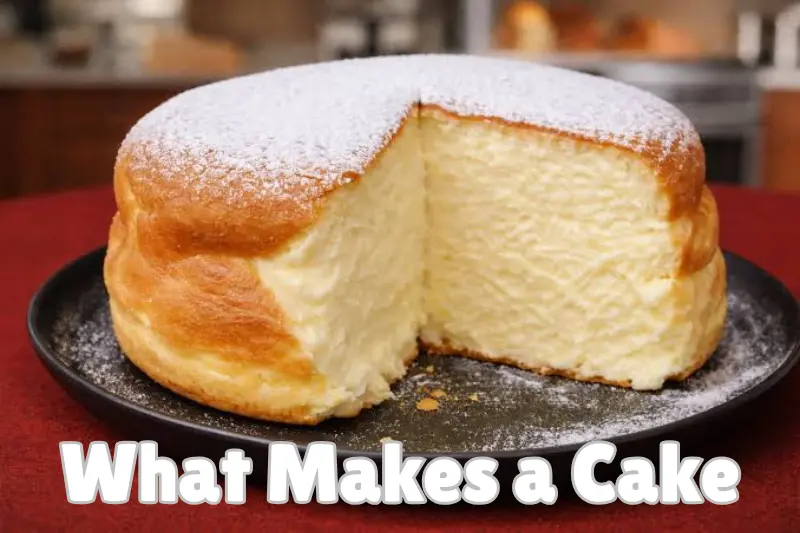
Texture is the defining feature. A successful cloud cake should normally feel moist and tender without having the compact crumb associated with pound cake.
That texture usually comes from several techniques working together:
- Whipping eggs or egg whites to incorporate air
- Using gentle folding instead of vigorous mixing
- Keeping heavy ingredients under control
- Baking at a temperature suited to the particular recipe
- Cooling the cake according to its structural needs
- Using light fillings such as whipped cream, meringue, or citrus cream
The exact technique depends on the recipe. This is why following the method is just as important as measuring the ingredients.
Why Cloud Cakes Become So Light and Fluffy
The science behind cloud cakes is relatively simple, but small mistakes can produce noticeably different results. Air is incorporated into eggs during whipping. As the batter heats, that trapped air and water vapor expand while egg proteins and other structural ingredients set around them.
Egg whites are particularly useful because their proteins can create a network around air bubbles when whipped correctly. Sugar can help stabilize that foam, although adding too much sugar too quickly can interfere with the whipping process.
A light cake therefore depends on balancing air with enough structure to hold it.
Egg Whites and Meringue
Many cloud cakes start with a meringue. Egg whites are beaten until they form soft, medium, or stiff peaks, depending on the recipe.
A clean bowl matters more than many beginners expect. Traces of grease or egg yolk can make egg whites more difficult to whip properly. Glass or metal bowls are usually easier to keep grease-free than scratched plastic bowls.
The goal is not simply to whip the whites for as long as possible. Over-whipped whites can become dry and difficult to fold smoothly into a batter.
Gentle Folding
Once the egg foam is ready, it has to survive long enough to reach the oven. Aggressive stirring destroys the air bubbles that were created during whipping.
Use a flexible spatula to cut through the center of the mixture, sweep along the bottom, and lift the batter over itself. Rotate the bowl and repeat until the mixtures are combined.
A few small streaks during the early folds are less concerning than beating all of the air out of the batter.
Heat and Steam
Heat expands the gases and moisture trapped inside the batter. Meanwhile, proteins from eggs and, when present, starches from flour or cornstarch begin setting the cake’s structure.
This explains why repeatedly opening the oven door too early can be risky. A sudden temperature drop can interrupt the setting process before the structure is strong enough to support itself.
How to Make Classic Cloud Cakes at Home
There are many valid formulas for cloud cakes, so the following method is intended as a practical framework rather than a replacement for a tested recipe. Ingredient quantities and baking times should always be matched to the exact cake you are preparing.
For a simple airy sponge-style version, you will generally need eggs, sugar, a small amount of flour or starch, flavoring, and sometimes milk, yogurt, butter, or neutral oil. Flourless versions may instead rely primarily on eggs and dairy ingredients for their structure.
Step 1: Prepare Everything Before Mixing
Bring ingredients to the temperature required by your recipe and measure them before starting. Prepare the cake pan, position the oven rack, and preheat the oven fully.
This matters because whipped batter should not sit around while you search for ingredients. Once the foam has been incorporated, getting the cake into the oven reasonably quickly helps preserve its volume.
If the recipe calls for parchment paper, cut it before mixing. If it specifically says to use an ungreased pan, follow that instruction because some airy cakes need to cling to the sides as they rise.
Step 2: Separate the Eggs Carefully
When a recipe requires separated eggs, avoid getting yolk into the whites. Separating each egg over a small bowl before transferring the white into the main mixing bowl can prevent one broken yolk from contaminating the entire batch.
Letting eggs reach the temperature specified in the recipe can also affect whipping and batter consistency. Do not automatically warm or chill them because different formulas are designed differently.
Step 3: Whip the Egg Whites
Start whipping at a moderate speed until the whites become foamy. If the recipe uses cream of tartar or another stabilizing ingredient, add it at the specified stage.
Sugar is often added gradually rather than all at once. Continue whipping until the required peak stage is reached.
When the whisk is lifted, soft peaks bend over, while stiff peaks remain much more upright. Stop once the recipe’s target stage has been achieved.
Step 4: Prepare the Base Mixture
In another bowl, combine the yolks and other ingredients specified by the recipe. These might include yogurt, milk, lemon zest, vanilla, melted chocolate, oil, or sifted dry ingredients.
Mix until smooth, but avoid unnecessary beating after flour has been added. Excessive mixing can develop gluten in flour-based versions, producing more chew than a cloud cake normally needs.
Step 5: Fold the Mixtures Together
Start by folding a small amount of whipped egg white into the heavier base. This lightens the mixture and makes it easier to incorporate the remaining foam.
Add the rest in two or three portions. Fold gently until no large streaks remain.
Do not chase every microscopic white streak with dozens of extra folds. The goal is a reasonably uniform batter while retaining as much volume as possible.
Step 6: Bake Without Disturbing the Structure
Transfer the batter to the prepared pan and level it gently. Avoid repeatedly tapping the pan unless the recipe specifically calls for it, since excessive impact can remove valuable air.
Bake according to the tested temperature and timing for your recipe. Some delicate cakes are baked in a water bath, while conventional sponge versions can be baked directly on an oven rack.
A water bath provides gentler, more even heat and can be useful for custard-like or cheesecake-style cloud cakes. It is not necessary for every variation.
Step 7: Cool Correctly
Cooling is one of the most overlooked stages. Some cakes can cool upright on a wire rack, while angel-food-style cakes may be inverted so their fragile structure does not collapse under its own weight.
A little settling can be completely normal. For example, some flourless chocolate cloud cakes intentionally sink in the center as they cool, creating a space that can be filled with cream.
Do not judge every sunken center as a failure without considering the type of cake you made.
Cloud Cakes vs. Other Light Cakes
The name “cloud cake” can create confusion because several established desserts use similar techniques. Understanding the differences makes it easier to choose the recipe that matches the texture you actually want.
| Cake Type | Typical Texture | Main Source of Lift | Common Characteristics |
|---|---|---|---|
| Cloud cake | Very soft and airy | Whipped eggs, sometimes leavening | Definition varies by recipe |
| Angel food cake | Springy and extremely light | Whipped egg whites | Usually no egg yolks |
| Chiffon cake | Airy but moist | Egg foam plus oil | Richer than angel food |
| Sponge cake | Light with flexible crumb | Whipped whole eggs or separated eggs | Useful for layers |
| Japanese-style cheesecake | Soft and delicate | Meringue plus cheese batter | Cheesecake flavor with airy structure |
| Flourless chocolate cloud cake | Rich but aerated | Eggs | Often settles as it cools |
A common mistake is assuming that every cloud cake is simply angel food cake with a different name. That is not accurate. Cloud cakes can use yolks, dairy, chocolate, flour, starch, or no flour at all.
For example, a chocolate cloud cake published by Food Network uses chocolate and separated eggs and is designed to settle after baking. That is very different from an angel food cake even though both rely heavily on egg foam.
Popular Cloud Cakes and Flavor Variations
Once the basic technique is understood, the concept works with several flavors. The key is making additions without weighing down the aerated structure.
Lemon Cloud Cake
Lemon works particularly well because its bright acidity complements a delicate cake. Lemon zest can add fragrance without introducing much extra liquid, while lemon curd or lemon cream can be used between layers.
A layered version can combine soft sponge with pastry cream, lemon curd, and whipped cream. King Arthur Baking provides an example of this style.
For a simpler presentation, serve a plain airy cake with berries and a modest amount of lemon-flavored cream.
Chocolate Cloud Cake
Chocolate versions are usually richer, but they can still maintain a surprisingly light structure. Melted dark chocolate adds fat and solids, so folding becomes especially important.
Some recipes intentionally produce a cracked surface and a center that falls slightly during cooling. Instead of trying to hide the depression, it can become part of the presentation by holding softly whipped cream.
This is also a good example of why appearance alone cannot tell you whether cloud cakes have succeeded.
Coconut Cloud Cake
Coconut is another established variation. It can be incorporated through coconut milk, shredded coconut, frosting, or a combination of these.
Martha Stewart’s coconut cloud cake uses the “cloud” concept to create a light dessert with a soft frosting and coconut. Coconut can add texture, however, so excessive amounts inside a delicate batter may make it heavier.
Adding most of the coconut as a topping is often easier than loading a fragile batter with it.
Vanilla and Berry Cloud Cake
Vanilla is useful when you want the cake’s texture to be the main feature. Fresh strawberries, blueberries, raspberries, or a berry sauce can then provide color and acidity.
If using fresh fruit between layers, dry it after washing. Excess surface moisture can make cream fillings loose and cause layers to slide.
Mini Cloud Cakes
Individual portions can be baked in appropriate small molds when the recipe supports that format. Smaller cakes can be convenient for parties because they require less slicing and can be decorated individually.
Changing pan size changes baking behavior, though. A recipe designed for one large cake should not automatically be divided into tiny molds while keeping exactly the same baking time.
Cloud Naan and Why It Is Different
Cloud naan may appear alongside cloud cakes in search results because both names use “cloud” to describe a soft, puffy texture. They are nevertheless completely different foods.
Naan is a leavened flatbread traditionally associated with South Asian and Central Asian cooking. A soft naan gets its texture from dough development, hydration, fermentation or chemical leavening, and high-temperature cooking rather than whipped egg foam.
Some versions described as cloud naan are especially puffy, while others are stuffed with ingredients such as chicken and cheese. Conventional homemade naan recipes may use flour, yogurt, water, salt, oil, and yeast or chemical leaveners.
For comparison, King Arthur Baking’s Afghan naan uses a yeast dough, while Food Fusion’s homemade naan demonstrates a tawa-friendly approach using yogurt and chemical leavening.
The similarity is therefore mostly descriptive. Both cloud 9 vape shop and cloud cakes aim for softness, but the baking science and finished products are fundamentally different.
Common Cloud Cake Problems and How to Fix Them
Cloud cakes are not necessarily difficult, but their airy structure makes them less forgiving of certain mistakes. Troubleshooting becomes easier when you connect the symptom with what happened during mixing, baking, or cooling.
The Cake Did Not Rise
Under-whipped egg whites are one possible cause. If the foam never develops enough structure, the batter starts with less trapped air.
Another possibility is that the batter was mixed too aggressively after the egg whites were added. Watch the volume of the batter while folding. If a bowl full of fluffy batter suddenly becomes much smaller and more liquid, too much air has probably escaped.
An oven that has not reached the required temperature can also affect the initial rise. Preheat it before the batter is ready.
The Cake Rose and Then Collapsed
A small amount of settling is normal in certain recipes. A dramatic collapse in a cake that should remain tall may indicate that the center had not fully set.
Opening the oven prematurely can contribute to this problem. An incorrect ingredient ratio can do the same, which is why weighing ingredients in grams is particularly useful for delicate baking.
Over-whipped egg whites can also create unstable pockets cloud 9 vape shop of air that do not integrate smoothly with the rest of the batter.
The Texture Is Dense or Rubbery
Dense cloud cakes often point back to lost air or excessive mixing. Flour-based versions can become tougher when the batter is worked aggressively after flour is incorporated.
Accurate flour measurement matters too. Scooping flour directly with a measuring cup can compact it and add more than the recipe intended.
A kitchen scale removes much of this uncertainty.
The Top Cracks
Cracking is not automatically a defect. Some cloud-style desserts naturally develop rustic cracks as they rise and contract.
If the particular recipe is supposed to have a smooth surface, excessive heat can be one possible cause. The outside may set too quickly while the interior continues expanding.
Check oven temperature with an independent oven thermometer if your results repeatedly differ from the recipe.
The Bottom Is Wet
A cake can seem wet if it has not finished baking or if condensation forms during cooling and storage. Water-bath recipes create another possibility: water can enter a removable-bottom or springform pan if it is not adequately protected.
Do not automatically extend baking by a large amount, since overbaking can destroy the delicate texture. Use the doneness indicators specified by the recipe.
The Cake Smells Too Eggy
Egg-forward recipes naturally have more egg aroma than conventional butter cakes. Vanilla, lemon zest, cocoa, or another compatible flavor can provide balance.
Correct baking also matters. An undercooked egg-based center may have a stronger aroma and an unpleasant texture.
Food Safety and Storage
Because many cloud cakes contain eggs, dairy, cream, or custard-style fillings, storage depends on the exact recipe. Cakes topped or filled with perishable cream should generally be refrigerated rather than left out for extended periods.
The USDA’s food safety guidance is a useful reference for safe handling and storage practices. Recipes containing eggs should also be cooked according to reliable instructions instead of intentionally leaving the center raw.
If the cake is refrigerated, cover it carefully to prevent it from absorbing odors. Very airy cakes can dry out quickly when exposed to circulating refrigerator air.
Can Cloud Cakes Be Frozen?
Some plain sponge-style versions freeze well when completely cooled and wrapped properly. Cream-filled, meringue-covered, or custard-heavy versions may change texture after freezing and thawing.
For best results, freeze undecorated layers when possible and add delicate fillings after thawing.
Label the package with the date so you know how long it has been stored.
Serving and Decorating Cloud Cakes
Heavy decorations can work against the character of cloud cakes. Their appeal comes largely from the contrast between a light crumb and simple, fresh flavors.
Softly whipped cream is a natural choice because it complements rather than compresses the cake. Fresh berries, citrus zest, a light dusting of powdered sugar, toasted coconut, or a thin fruit sauce can also work well.
For a layered cake, keep the filling reasonably stable. Extremely loose cream or wet fruit can cause the layers to shift.
Presentation does not need to be perfect. A slightly irregular top, soft swirls of cream, and visible berries often suit this style better than thick fondant or heavy buttercream.
Cloud Cakes: Myths and Practical Baking Facts
Several misconceptions appear repeatedly around airy cakes. Correcting them can save beginners from changing a perfectly good recipe for the wrong reason.
Myth: A cloud cake should never sink.
Not necessarily. Some versions are expected to settle after baking, particularly soufflé-like and flourless chocolate recipes. Judge the cake according to the intended recipe rather than assuming maximum height always equals success.
Myth: More whipping always creates a fluffier cake.
Egg whites can be over-whipped. The correct goal is the peak stage specified in the recipe, not the longest possible mixing time.
Myth: Baking powder is what makes every cloud cake fluffy.
Many versions obtain most of their lift from eggs. Chemical leaveners can be present in some recipes, but they are not the defining feature.
Myth: Cloud cakes are one specific dessert.
The term is used for multiple styles. Looking at the ingredient list and method tells you far more about the final texture than the name alone.
Myth: Cloud naan is a bread version of cloud cake.
The two foods can both be fluffy, but they use different ingredients, preparation methods, and structural principles.
Understanding these differences is more useful than trying to force every “cloud” recipe into one category.
Choosing a Reliable Cloud Cake Recipe Online
When evaluating a recipe, look beyond attractive photographs. A dependable baking guide should provide precise ingredient quantities, pan dimensions, oven temperature, and clear instructions about the required consistency of the egg foam.
It should also explain important visual cues. Instructions such as “beat until stiff peaks form” or “cool completely before removing from the pan” are more useful than vague directions such as “mix until ready.”
Recipe credibility also improves when the author explains testing, ingredient substitutions, and expected behavior. A cake that is supposed to sink, for instance, should tell the reader that before they assume something went wrong.
For broader digital guides and informational content, readers can also explore Glorvix and its published resources. Website owners interested in how informational content is structured for organic search can read the site’s SEO strategy guide.
When researching recipes from different websites, compare the actual methods rather than combining instructions from several formulas. Baking ratios work as systems, so replacing ingredients based on an unrelated recipe can create unpredictable results.
Understanding Similar “Cloud” Search Terms
The word “cloud” is used across many unrelated topics online, so search intent matters. Someone looking for cloud cakes wants baking or dessert information, while a person searching for cloud naan is looking for bread. These subjects should not be treated as interchangeable simply because they share one word.
The same issue becomes even clearer with technology searches. A query such as sound cloud to mp3 generally concerns digital audio rather than food. When dealing with online audio, downloads or conversions should only be made where the user owns the content or has permission and the platform’s terms allow it. Linking unrelated technology searches to a cake recipe purely for keyword repetition would make the page less useful to readers.
This distinction is also important for SEO. Helpful content should satisfy the main search intent instead of forcing every superficially related keyword onto one page. For this article, cloud cakes remain the central subject, while other terms are included only where a genuine distinction helps the reader.
Frequently Asked Questions
What are cloud cakes made from?
Cloud cakes commonly use eggs, sugar, and flavoring, while individual recipes may add flour, cornstarch, yogurt, milk, cream, chocolate, or other ingredients. There is no universal ingredient list because the term describes several light cake styles rather than one standardized formula.
Why is my cloud cake not fluffy?
The egg foam may have been under-whipped, over-whipped, or deflated during folding. Incorrect measurements, insufficient oven preheating, or using a pan that differs significantly from the recipe can also affect the final volume.
Is cloud cake the same as angel food cake?
No. Angel food cake is a specific type of cake traditionally built around whipped egg whites, while cloud cake is a broader descriptive name. Some cloud cakes contain egg yolks, dairy, chocolate, yogurt, or fillings that would not normally be part of classic angel food cake.
Why did my cloud cake sink after baking?
Some settling may be intentional, particularly with soufflé-like or flourless versions. If a recipe is supposed to remain tall but collapses dramatically, possible causes include underbaking, unstable egg foam, inaccurate ingredient ratios, or a major temperature change before the structure has set.
Can I make cloud cakes without flour?
Yes, some versions are specifically designed to be flourless. Do not simply remove flour from a standard recipe, however, because flour contributes structure and the other ingredients must be balanced to compensate for its absence.
What is the difference between cloud naan and cloud cake?
Cloud naan is a soft flatbread based primarily on flour dough, while cloud cake is a light dessert whose texture commonly depends heavily on whipped eggs. They share descriptive language about softness but use substantially different baking techniques.
How should I store a cloud cake?
Storage depends on its ingredients. A plain cake may have different requirements from one containing whipped cream, custard, or other perishable fillings. Refrigerate perishable versions promptly and follow the storage guidance provided with the recipe.
Can beginners make cloud cakes?
Yes. Beginners can achieve good results by choosing a well-tested recipe, measuring ingredients accurately, learning how egg-white peaks look, and folding carefully. A kitchen scale and an oven thermometer can also remove two common sources of inconsistency.
Final Thoughts
Cloud cakes are less about one fixed recipe and more about a particular baking goal: creating a dessert with a remarkably light, tender, airy texture. Whipped eggs, careful folding, accurate measurements, controlled heat, and appropriate cooling are the techniques that make that texture possible.
The variety is part of their appeal. Lemon, vanilla, coconut, chocolate, berries, cream, and meringue can all produce different interpretations while maintaining the soft character people expect from cloud cakes. At the same time, understanding that cloud naan and similarly named topics belong to different food or search categories prevents unnecessary confusion.
For the most reliable results, start with a tested formula rather than improvising ingredient ratios on the first attempt. Pay particular attention to the egg foam and folding stages, because those few minutes often determine whether cloud cakes emerge light and delicate or dense and flat.
Once those techniques become familiar, cloud cakes offer plenty of room for experimentation. Change the flavor, filling, topping, or presentation while protecting the airy structure that gives the dessert its name.
