

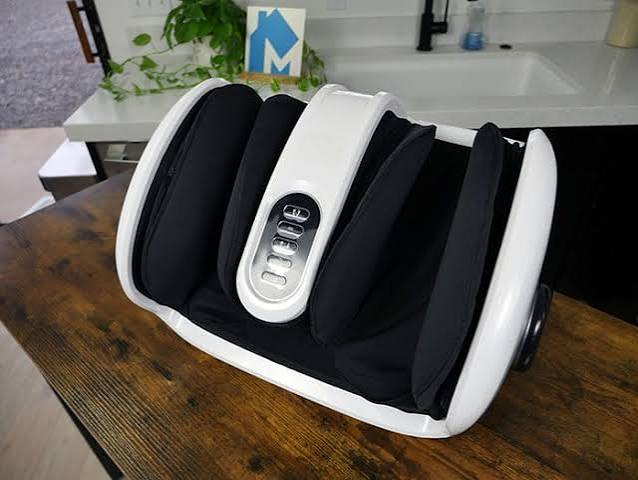
A cloud massager is generally understood as a comfort-focused massage device designed to make at-home relaxation easier. Depending on the model, it may use kneading nodes, vibration, compression, heat, or a combination of these features to apply mechanical pressure to areas such as the neck, shoulders, back, legs, or feet.
The important thing to understand is that the phrase does not describe one standardized medical device or massage technique. Products sold under similar names can work very differently, so buyers should look beyond branding and evaluate the actual mechanism, controls, fit, safety information, and intended body area.
Massage itself has been studied for several types of discomfort. The U.S. National Center for Complementary and Integrative Health, or NCCIH, reports that massage therapy may provide short-term benefits for some conditions, including certain neck, shoulder, and low-back pain situations, although the strength of evidence varies and long-term effects are not established for many conditions.
This guide from Glorvix explains what a cloud massager is, how different designs work, how to evaluate one before buying, what realistic benefits to expect, and how to use massage equipment responsibly.
What Is a Cloud Massager?
A cloud massager is typically a consumer massage device intended to recreate some of the pressure, movement, or relaxation associated with manual massage. The exact design can range from a small portable cushion to a larger foot, neck, shoulder, or back massage unit.
Unlike professional massage, a machine cannot examine your posture, notice changes in tissue response, or adjust pressure based on a conversation with you. It follows the settings, motors, air chambers, rollers, or programmed movements built into the product.
That distinction matters. A massage device can be convenient for relaxation, but it should not automatically be treated as a substitute for professional assessment when pain is unexplained, severe, persistent, or associated with an injury.
The term “cloud” is also used widely in unrelated industries. Therefore, a person searching for cloud massager information should check the product description rather than assuming every product containing the word “cloud” has the same technology.
Common Massage Mechanisms
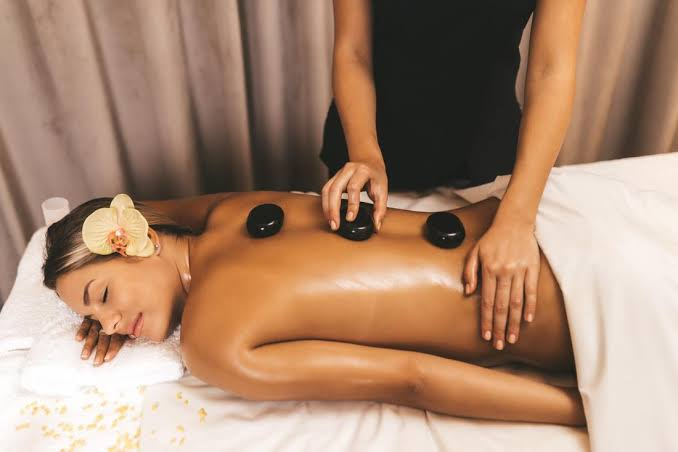
Consumer massage devices generally use a few recognizable mechanisms. Kneading models use rotating nodes to create a pressing and rolling sensation, while vibration models rely on rapid movement rather than deep mechanical kneading.
Compression devices use inflatable air chambers that tighten and release around an area such as the feet or legs. Some products also include warming elements intended to make the experience feel more comfortable.
More features do not necessarily mean a better cloud massager. A simple device with useful intensity controls and a comfortable shape can be more practical than a complicated model with features that you rarely use.
How Does a Cloud Massager Work?
The operating principle depends on the type of machine. A kneading cloud massager, for example, normally contains an electric motor connected to rotating massage heads. When the motor runs, those heads move in a programmed pattern and press against the body through a fabric or padded surface.
A vibration-based unit works differently. Its motor creates repeated small movements that produce a buzzing or vibrating sensation against the body. The user may be able to select different speed levels depending on the model.
Compression-based products use controlled air pressure. Small internal chambers inflate around part of the body and then deflate, producing cycles of pressure and release.
Some units combine two or three mechanisms. A foot device might include rollers underneath the feet, compression around the sides, and optional warmth at the same time.
What Does the Heat Setting Actually Do?
Heat is often presented as an important feature, but expectations should remain realistic. In consumer massage equipment, the heating element usually exists primarily for comfort rather than functioning as a treatment for an underlying medical condition.
Warmth can make a massage session feel more relaxing, especially in a cool room. However, users should follow the manufacturer’s temperature and duration instructions and stop using the heat setting if it becomes uncomfortable.
People with reduced sensation or medical conditions that affect their ability to detect temperature should be particularly cautious. When there is uncertainty about whether massage or heat is appropriate, a qualified health professional is the right person to ask.
Potential Benefits and Realistic Expectations
One reason people consider a cloud massager is convenience. Scheduling professional massage regularly may not be practical, while a home device can be available after work, exercise, travel, or long periods spent sitting.
Relaxation is probably the most reasonable expectation. Repetitive mechanical pressure can feel pleasant on tired muscles, and a short massage session may become part of a person’s normal relaxation routine.
Scientific evidence should still be represented carefully. NCCIH notes that massage therapy may help with some types of pain, but evidence is not equally strong for every condition. For low-back pain, for example, reviews have found possible benefits while also identifying limitations in the quality of available evidence.
For neck and shoulder pain, research has suggested possible short-term benefits. That does not mean every massage machine will produce the same results as professionally delivered massage used in a clinical study.
This difference is important for E-E-A-T and responsible health content. A manufacturer describing a device as relaxing is very different from claiming that the device diagnoses, cures, prevents, or treats a disease.
Where a Home Massager Can Be Practical
A massage device may be convenient when you want a controlled relaxation session without arranging an appointment. It can also allow you to experiment with lower intensity levels and stop immediately when something does not feel right.
In practical use, adjustability matters more than impressive marketing terminology. Being able to reduce intensity, disable heat, change direction, or stop a session quickly gives the user more control over the experience.
A cloud massager may therefore make sense as a wellness or comfort product when expectations remain realistic. Persistent pain, loss of movement, numbness, unexplained swelling, or symptoms following an injury require more than simply increasing massage intensity.
How to Choose the Right Cloud Massager
The first step is deciding where you actually want to use the device. A foot massager and a neck massager can contain similar motors but have completely different shapes, pressure patterns, and ergonomics.
Do not choose a product solely because it advertises the largest number of modes. A better approach is to evaluate whether the settings solve practical problems, such as pressure that feels too strong or a massage area that does not align correctly with your body.
A useful buying checklist includes:
- Target area: Confirm whether the device is designed for feet, calves, shoulders, neck, back, or multiple areas.
- Intensity adjustment: Look for several usable pressure or speed settings rather than a single fixed intensity.
- Automatic timer: A timer can help prevent unintentionally long sessions.
- Heat control: Prefer a model that allows heat to be switched on or off independently.
- Fit and dimensions: Check physical measurements instead of relying only on product photos.
- Power method: Decide whether you need a wall-powered, rechargeable, or portable design.
- Cleaning instructions: Removable or wipe-clean surfaces are easier to maintain.
- Warranty information: Clear warranty terms can be especially valuable for products containing motors and moving parts.
- Safety documentation: Instructions should clearly explain intended use, warnings, session limits, and situations in which the product should not be used.
Product reviews can help identify practical issues such as noise or uncomfortable pressure, but reviews should not replace specifications. One person’s preferred massage intensity can feel too strong or too weak to another person.
For that reason, compare measurable characteristics first. Dimensions, available intensity levels, power requirements, timer length, controls, weight, and warranty terms are more useful than vague phrases such as “professional strength.”
How to Use a Cloud Massager Safely
Read the instruction manual before the first session because controls and recommended session times vary between devices. Even if you have used another massager before, the pressure and heating system of a new product may behave differently.
Start with the lowest comfortable intensity. There is no need to immediately select the strongest setting simply because it is available.
Position the cloud massager exactly as the manufacturer recommends and make sure clothing, hair, jewelry, cords, or other loose items cannot become caught around moving components. The device should sit on a stable surface when its design requires one.
During the first few uses, shorter sessions can help you understand how your body responds. Stop if the device causes sharp pain, unusual numbness, significant discomfort, or another concerning reaction.
NCCIH says the overall risk of harmful effects from massage therapy appears to be low, but rare serious adverse events have been reported. Some reported cases have involved vigorous massage or people with factors that increased their risk of injury.
Massage also should not be applied aggressively over wounds or potentially weak areas of skin. NCCIH additionally advises that people with certain health conditions may need special precautions and should discuss massage with their health care provider.
When Extra Caution Is Appropriate
People with an existing health condition, recent injury, recent surgery, unusual swelling, circulation concerns, reduced sensation, or another medical issue should not assume that stronger massage is automatically safe.
Pregnancy can also change which massage techniques or body areas are appropriate. NCCIH notes that pregnant people and individuals with some health conditions may need to avoid certain types of massage and should consult their health care providers when necessary.
The same principle applies to medications or conditions that affect bleeding or clotting. Forceful massage may be inappropriate in some circumstances, which is why personal medical advice should come from a qualified clinician rather than a product review.
Cloud Massager vs Professional Massage
A home massager and a trained massage professional can both apply pressure, but they should not be treated as identical experiences.
A cloud massager is consistent. If you select the same mode and position it in the same place, it can repeat roughly the same mechanical movement each session. That consistency is convenient, but it is also one of its limitations.
A trained professional can change technique based on feedback and can avoid an area that seems unusually sensitive. A machine cannot independently understand why an area hurts.
A home device usually has a higher upfront purchase cost but a low cost per session afterward. Professional sessions involve an ongoing cost, yet they provide individualized human attention that a machine cannot reproduce.
Portability is another difference. A compact massager can potentially be used at home or while traveling, while professional massage requires an appointment and appropriate location.
Neither option should be presented as universally superior. The better choice depends on whether the goal is simple convenience and relaxation or individualized professional care.
What a Massager Cannot Tell You
One common misconception is that pain during massage proves that the device is “working.” Pain is not a reliable measure of effectiveness, and increasing pressure beyond a comfortable level can be counterproductive.
Another misconception is that a massage device can determine whether discomfort comes from posture, muscle strain, a joint problem, a nerve issue, or another cause. It cannot.
A cloud massager should therefore be treated as a consumer wellness device unless a specific product has been appropriately authorized for a particular medical purpose. Marketing terminology alone does not establish medical effectiveness.
Troubleshooting Common Cloud Massager Problems
A troubleshooting section is worth reading before assuming a device is defective. Many apparent problems come from positioning, power connections, automatic timers, or a setting that does not match the intended use.
The Massage Feels Too Strong
Reduce the intensity first. If the model has no lower setting, check whether the manual permits using a clothing layer or another manufacturer-approved method of reducing direct pressure.
Do not place improvised thick padding inside moving equipment unless the manufacturer specifically permits it. Extra material can interfere with rollers, ventilation, sensors, or moving components.
If the lowest setting still hurts, stop using the device on that area. A product being marketed as powerful does not mean you need to tolerate painful pressure.
The Massage Feels Too Weak
Check positioning before increasing intensity. Massage nodes designed for a particular muscle area can feel ineffective when they are several centimeters away from their intended contact point.
For rechargeable devices, verify that the battery has sufficient charge. Wall-powered models should have securely connected adapters and cables.
If performance has noticeably declined compared with previous sessions, consult the troubleshooting section of the manual. Mechanical wear, damaged components, or power problems should be handled according to the manufacturer’s instructions rather than through unapproved modifications.
The Device Stops Automatically
Automatic shutdown is often intentional. Many consumer devices use session timers or protective systems, although the exact behavior varies by model.
Check the manual before repeatedly restarting a cloud massager. If the manufacturer specifies a cooling period between sessions, follow it.
Repeated unexplained shutdowns, unusual smells, excessive heat, damaged wiring, or abnormal sounds are reasons to disconnect the device and stop using it until it can be assessed appropriately.
The Heat Is Barely Noticeable
Some massage devices provide mild warmth rather than high heat. The sensation may also take time to become noticeable through clothing or the product’s outer material.
Check that the heat function is actually enabled and review the manual for normal operating behavior. Do not modify heating components in an attempt to increase temperature.
Cleaning, Storage, and Long-Term Care
A cloud massager contains mechanical and sometimes electrical components, so cleaning should always follow the manufacturer’s instructions. Never assume that a fabric-covered device can be washed or soaked simply because its exterior looks similar to a cushion.
Disconnect a corded model from power before cleaning when the instructions require it. For rechargeable products, make sure charging ports and electrical areas remain protected from moisture.
Removable covers can make hygiene easier. If the product does not have one, the manual should explain which surfaces can be wiped and which cleaning products are acceptable.
Storage conditions matter as well. Avoid tightly bending power cables, placing heavy objects on the massager, or storing it somewhere exposed to excessive moisture or heat.
Inspect frequently used equipment periodically. Frayed cords, damaged fabric that exposes moving components, unusual sounds, unstable controls, or excessive heat should not be ignored.
Good maintenance does more than keep a device looking clean. It can help preserve predictable operation and make it easier to notice physical damage before the next session.
Understanding Related “Cloud” Searches
Search engines often connect pages through words rather than through actual product relationships. As a result, someone researching a cloud massager may encounter other phrases containing “cloud” that have completely different search intent.
For example, cloud 9 massage may refer to a massage-related brand, service, business name, or a phrase associated with relaxation depending on the context. It should not automatically be interpreted as another name for every cloud massager.
The phrase cloud business solutions belongs primarily to a technology and business context. Cloud business solutions generally describe internet-delivered software, storage, infrastructure, communications, or other digital systems used by organizations. It has no inherent connection to the physical operation of a massage device.
The same applies to Benjamin Moore Cloud Cover. Cloud Cover is associated with the Benjamin Moore paint color ecosystem, not massage technology. Someone researching interior colors could reasonably encounter that term, but including it as though it were a feature or alternative to a massager would confuse readers.
This distinction is important for useful SEO content. Semantically related keywords should support the reader’s intent rather than being inserted simply because a keyword tool grouped them together.
For readers interested in broader business and online-growth topics instead, the Glorvix Blog covers subjects including digital marketing, technology, business, AI, SEO, and professional development. Businesses looking for online visibility services can also learn more through the Glorvix homepage and About Glorvix.
Cloud Massager Myths Worth Correcting
Massage equipment is frequently marketed using language that can make an ordinary wellness product sound more capable than it really is. Understanding a few common misconceptions can make product comparisons much easier.
The first myth is that stronger pressure always produces better results. Massage intensity is personal, and excessive pressure is not evidence that a session is more effective.
The second is that more massage modes automatically mean better value. A device offering 20 programs is not necessarily more useful than one offering three well-designed settings. Comfort, controls, fit, construction, and intended use are more important than mode count alone.
Another misconception is that heat automatically turns a consumer cloud massager into a therapeutic medical device. A warming feature may improve comfort, but the existence of heat does not prove that the product can treat an injury or disease.
Finally, a home massager cannot diagnose the reason for recurring pain. If symptoms keep returning, become worse, or interfere with normal activity, continuing to increase massage frequency is not a substitute for determining the cause.
Evidence-based health information from NCCIH similarly emphasizes that research into massage has produced promising findings in some areas, but evidence is limited or inconsistent for others.
Frequently Asked Questions About Cloud Massagers
What is a cloud massager used for?
A cloud massager is generally used for at-home massage and relaxation. Depending on its design, it may provide kneading, vibration, compression, warming, or several of these functions for areas such as the feet, legs, shoulders, neck, or back.
How long should I use a cloud massager?
There is no universal session length that applies to every model. Follow the specific instructions supplied by the manufacturer because motor design, intensity, heat output, and automatic timers vary between products.
Should a massager hurt when I use it?
A massage does not need to hurt to be useful or relaxing. If pressure produces sharp pain, significant discomfort, numbness, or another concerning sensation, stop the session rather than assuming stronger pressure will produce better results.
Can I use a cloud massager every day?
Whether frequent use is appropriate depends on the particular product, intensity, session duration, body area, and individual circumstances. Follow the manufacturer’s frequency guidance and seek professional advice if you have an injury or health condition that could affect safe use.
Is heat necessary in a massage device?
No. Heat is an optional comfort feature and is not required for mechanical massage. Some users enjoy warmth, while others may prefer kneading, vibration, or compression without it.
Can a cloud massager replace professional massage?
Not completely. A home cloud massager offers convenience and repeatable mechanical pressure, but a trained professional can respond to feedback and adjust technique in ways that a programmed device cannot.
Can massage cure chronic pain?
Massage should not be described as a guaranteed cure for chronic pain. NCCIH reports that massage may help some pain conditions, but evidence is often limited and benefits can be short term.
What should I check before buying one?
Start with the intended body area, dimensions, intensity adjustment, timer, heat controls, cleaning requirements, power method, warranty, and safety documentation. These practical specifications generally provide more useful information than promotional phrases about power or luxury.
Final Thoughts
A cloud massager can be a practical addition to an at-home relaxation routine when it is selected carefully and used according to its instructions. The most important features are not necessarily the largest number of modes or the strongest motor. Fit, comfortable pressure, straightforward controls, safety documentation, and reliable construction matter more.
Keep expectations realistic as well. Massage research suggests potential short-term benefits in some situations, but a consumer device should not be presented as a guaranteed treatment for pain or disease.
Before purchasing a cloud massager, identify the body area you want to target, compare measurable specifications, read the safety guidance, and check whether intensity and heat can be controlled independently. Once you own one, start gently, keep sessions within the manufacturer’s recommendations, maintain the device properly, and stop if massage causes concerning symptoms.
Used in that sensible way, a cloud massager is best understood for what it actually is: a convenient tool for mechanical massage and personal relaxation, rather than a replacement for diagnosis or professional medical care.
