

Car Cloud Auto Group is a used-car dealership based in Stafford, Virginia, offering pre-owned cars, trucks, and SUVs alongside financing and trade-in services. For people researching the business online, understanding its inventory, buying process, financing approach, and digital tools can make it easier to decide whether it matches their needs.
Although the dealership operates in the United States, its digital-first car-shopping model can also be interesting to readers in India who want to understand how modern automotive businesses combine physical dealerships with online inventory, financing applications, vehicle search tools, and digital customer journeys.
This guide explains what Car Cloud Auto Group is, how its buying process works, what shoppers should check before purchasing a used vehicle, and how technology is changing automotive retail.
What Is Car Cloud Auto Group?
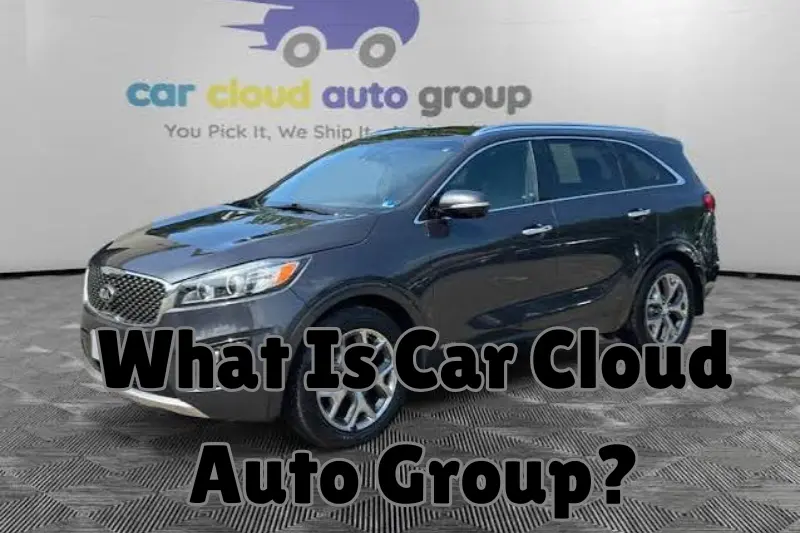
Car Cloud Auto Group is a pre-owned vehicle dealership located in Stafford, Virginia. Its online platform allows shoppers to browse available vehicles, search by vehicle type or brand, explore financing options, and begin parts of the purchasing process digitally.
The dealership focuses on used cars rather than functioning as a traditional software-as-a-service company. However, its website demonstrates how cloud-based and web-based technology can support a physical automotive business.
For a buyer, the important distinction is simple: the website acts as a digital gateway to dealership services rather than being a standalone automotive SaaS platform.
Customers can use online tools to explore vehicles before deciding whether they want to contact or visit the dealership.
Its digital experience includes areas related to:
- Used cars, SUVs and trucks
- Vehicle inventory search
- Financing applications
- Trade-in enquiries
- Vehicle specials
- Payment-related information
- Contact and dealership information
This combination of online discovery and offline vehicle sales reflects a broader shift toward digitally assisted car shopping.
How Does Car Cloud Auto Group Work?
Car Cloud Auto Group works by combining an online vehicle catalogue with the services of a physical dealership. A shopper can research available vehicles online and then continue with enquiries, financing, inspection, test driving, or purchasing.
The process can generally be understood in five stages.
1. Browse the Vehicle Inventory
The first step is researching available vehicles.
Instead of walking around a dealership without knowing what is available, buyers can start online. They can examine categories such as sedans, SUVs, trucks, vans, coupes, and hatchbacks.
This makes the initial research stage faster and more convenient.
2. Compare Suitable Vehicles
After finding several options, buyers should compare them based on factors such as:
- Model year
- Mileage
- Asking price
- Vehicle type
- Fuel requirements
- Transmission
- Features
- Vehicle history
- Expected maintenance costs
Price alone should never determine which used vehicle is the better purchase.
A slightly more expensive vehicle with better maintenance records and lower expected repair costs may offer greater long-term value.
3. Review Financing Options
Many buyers cannot or do not want to pay the complete vehicle price upfront.
Car Cloud Auto Group provides financing-related services and online application options. The exact terms available to an individual buyer can depend on financial circumstances, lender requirements, vehicle choice, and other eligibility factors.
Never assume that an advertised payment or financing message represents the final cost of borrowing.
Buyers should review the interest rate, loan duration, total repayment amount, down payment, fees, and other conditions before signing an agreement.
4. Inspect and Test the Vehicle
Online research cannot replace a proper vehicle inspection.
Before purchasing a used car, the buyer should confirm its physical and mechanical condition. A test drive can also reveal issues that photographs and specifications cannot communicate.
Important areas include braking, steering, tyres, suspension, warning lights, air conditioning, electronics, unusual noises, and general driving behaviour.
Where appropriate, an independent professional inspection can provide additional confidence.
5. Review the Final Agreement
The final step is checking the complete transaction before signing.
Confirm the final vehicle price, taxes, applicable fees, financing terms, warranty or service-contract conditions, and other commitments.
Never rely only on the monthly payment figure.
The complete cost matters more.
What Vehicles Can Buyers Find?
Car Cloud Auto Group primarily deals in pre-owned vehicles, including cars, SUVs and trucks from different manufacturers. Inventory naturally changes as vehicles are purchased and new stock becomes available.
That means an article listing specific cars can become outdated quickly.
A better approach is to search the current inventory when you are actually ready to buy.
Common vehicle categories may include sedans for everyday commuting, SUVs for additional passenger or cargo space, trucks for utility-focused buyers, and other body styles for different requirements.
Choosing the Right Vehicle Type
Start with your actual use case rather than a particular badge or design.
For example, someone mainly commuting alone may prioritise fuel economy and manageable dimensions. A larger family may place more importance on seating capacity, boot space, comfort, and safety features.
Ask yourself:
How many people will regularly use the car?
How far will it normally travel?
What is the realistic purchase budget?
How much can I afford for fuel, maintenance, insurance, and repairs?
Do I actually need an SUV or truck?
These questions can narrow dozens of listings into a manageable shortlist.
Car Cloud Auto Group and Digital Car Shopping
The most useful technology behind modern automotive retail is often invisible to the customer. Inventory databases, online forms, search filters, customer-management systems, financing workflows, and analytics can connect different stages of the buying journey.
This is particularly relevant for readers of a SaaS-focused website.
A modern dealership website is no longer simply an online brochure. It can function as an active lead-generation and customer-service platform.
A typical digital automotive journey looks like this:
| Stage | Digital Tool | Buyer Benefit |
|---|---|---|
| Discovery | Search and inventory pages | Find relevant vehicles faster |
| Research | Vehicle details and filters | Compare suitable options |
| Enquiry | Online forms and contact tools | Ask questions remotely |
| Financing | Digital application process | Begin financing before visiting |
| Trade-in | Online appraisal workflow | Explore the value of an existing car |
| Follow-up | CRM and communication tools | Keep the buying process organised |
For automotive businesses, this technology can reduce friction between online research and an eventual dealership visit.
For customers, it can make early-stage comparison much easier.
Why Online Inventory Matters for Used-Car Buyers
Online inventory helps buyers research vehicles before committing time to an in-person visit.
A useful vehicle listing should provide enough information for a shopper to decide whether the car deserves further investigation.
This might include the model, year, mileage, body type, major features, photographs, price information, and other available vehicle details.
However, a listing should be treated as the beginning of due diligence rather than the end.
Availability can change quickly, and buyers should verify important information directly before travelling or making a financial commitment.
How to Evaluate a Used Car Before Buying
A used vehicle should be evaluated on condition, history, ownership cost, documentation, and price—not simply appearance.
Here is a practical evaluation process.
Check the Vehicle History
Vehicle-history information can reveal useful details about a car’s past.
Depending on the market and available records, look for previous accidents, ownership changes, mileage inconsistencies, title issues, and maintenance information.
No database is perfect, so history information should complement a physical inspection rather than replace one.
Examine the Exterior
Look carefully at body panels, paint consistency, tyres, lights, glass, and visible signs of damage.
Uneven panel gaps or mismatched paint do not automatically prove that a vehicle has serious problems, but they can justify further questions.
Inspect the Interior
Check the seats, controls, displays, air conditioning, windows, locks, infotainment system, and dashboard warning lights.
Interior condition can also provide clues about how heavily a vehicle has been used.
Check Mechanical Condition
Mechanical inspection is particularly important because major repairs can quickly turn an apparently inexpensive vehicle into a costly purchase.
Engine behaviour, transmission operation, brakes, suspension, steering, fluid leaks, tyres, and warning systems deserve attention.
Take a Proper Test Drive
Drive at different appropriate speeds and pay attention to acceleration, braking, steering response, vibration, unusual sounds, transmission behaviour, and dashboard warnings.
Do not rush this stage.
Understanding Used-Car Financing
Used-car financing allows an eligible buyer to spread the purchase cost over a defined repayment period. The lender provides financing under agreed terms, and the customer repays according to the contract.
Car Cloud Auto Group promotes financing services for different credit situations, including programs aimed at customers who may have experienced credit difficulties.
However, approval and loan conditions are not universal.
Every buyer should evaluate financing based on the actual written offer.
Look Beyond the Monthly Payment
A lower monthly payment can appear attractive but may result from a longer repayment period.
Instead, compare:
- Vehicle purchase price
- Down payment
- Interest rate
- Loan term
- Monthly payment
- Applicable fees
- Total amount repaid
The best financing decision is the one that remains affordable when viewed as a complete financial commitment.
What Indian Readers Should Know
Indian readers researching Car Cloud Auto Group should understand that the dealership operates in Virginia in the United States rather than India. Its official website identifies its Stafford location and focuses on customers in surrounding Virginia communities.
Therefore, Indian users should not assume that its vehicle inventory, financing programs, warranties, pricing, taxes, or dealership services are available in India.
The business is more useful to an Indian SaaS or automotive reader as a real-world example of digital automotive retail.
Indian dealerships and automotive platforms can learn from features such as searchable inventories, online lead capture, digital financing workflows, trade-in tools, customer follow-up systems, and mobile-friendly vehicle discovery.
These capabilities show how software can support a traditional physical business without turning the business itself into a SaaS company.
How SaaS Technology Supports Automotive Dealerships
SaaS platforms can help automotive dealerships manage information and customer interactions more efficiently.
Instead of maintaining separate manual processes, a dealership can connect multiple operations through specialised software.
Inventory Management
Inventory software can organise vehicle records, specifications, prices, availability, photographs, and status updates.
When properly integrated, it reduces the risk of outdated information being displayed to customers.
Customer Relationship Management
Automotive CRM software helps businesses manage enquiries and follow-ups.
A potential customer may first arrive through Google, submit an enquiry, call the dealership later, and finally visit in person. A CRM can keep these interactions connected.
Digital Financing Workflows
Online forms can simplify the initial financing process by collecting required customer information through structured workflows.
Sensitive financial information should always be handled through appropriately secured systems.
Analytics and Marketing
Analytics tools can show dealerships how users interact with inventory.
For example, a business may identify which vehicle categories receive the most interest, which pages generate enquiries, and where visitors abandon the buying journey.
These insights can improve website usability and marketing decisions.
Benefits and Limitations of Digital Car Buying
Digital car shopping provides convenience, but it does not eliminate the need for careful offline verification.
Key Benefits
Buyers can research from home, compare more vehicles quickly, narrow their shortlist cloud 9 salon before visiting, understand approximate pricing, and begin certain processes online.
For dealerships, digital tools can improve inventory visibility and simplify communication with prospective customers.
Important Limitations
Photographs cannot fully communicate mechanical condition.
Online financing information may not represent the final approved terms.
Inventory can change.
Vehicle specifications or listing information should still be verified.
And a digital buying experience cannot automatically cloud tea guarantee that a particular vehicle is right for an individual buyer.
The strongest approach combines online research with physical inspection and careful document review.
Car Cloud Auto Group vs Similar “Cloud” Searches
The word “cloud” appears in many unrelated brand names and search queries. Users and search engines should not assume that every phrase containing “cloud” belongs to the same company or industry.
For example, cloud tea generally points toward tea-related products or brands rather than automotive retail.
Similarly, flying cloud airstream is associated with the Flying Cloud travel-trailer name and has a completely different search intent from a used-car dealership.
The phrase cloud 9 salon normally relates to salon or beauty businesses.
These terms should therefore not be treated as services, products, or divisions of Car Cloud Auto Group unless reliable evidence specifically establishes such a relationship.
This distinction matters for search optimisation.
Creating artificial connections between unrelated keywords can make a page less useful. Strong SEO content groups entities according to genuine meaning and search intent rather than simply repeating similar words.
Common Mistakes When Researching a Used-Car Dealer
One common mistake is choosing a vehicle purely because its advertised price appears low. Ownership cost includes more than the purchase price.
Another is skipping the inspection because a listing looks professional.
Buyers should also avoid focusing exclusively on monthly financing payments, ignoring vehicle history, failing to verify fees, or assuming every online statement applies to their specific transaction.
A smarter approach is simple: research online, verify important claims, inspect the actual vehicle, understand the complete financial agreement, and only then make a decision.
Tips for a Better Online Car-Buying Experience
Start with a firm budget that includes ownership expenses rather than only the purchase price.
Use filters to create a shortlist instead of browsing randomly. Compare similar models on mileage, condition, features, history, and price.
Save screenshots or notes about listings you seriously consider because inventory and prices can change.
Before travelling, confirm that the specific vehicle is still available.
Finally, prepare a list of questions. Asking about vehicle history, inspection, financing, warranty conditions, fees, and return or exchange policies can prevent confusion later.
Frequently Asked Questions
What is Car Cloud Auto Group?
Car Cloud Auto Group is a used-vehicle dealership based in Stafford, Virginia. It sells pre-owned cars, trucks, and SUVs and provides online tools related to inventory browsing, financing, trade-ins, and customer enquiries. Its website supports the dealership’s physical automotive operations rather than functioning as a standalone SaaS platform.
Is Car Cloud Auto Group available in India?
Car Cloud Auto Group’s dealership operation is based in Stafford, Virginia, in the United States. Indian readers should therefore not assume that its inventory, financing, warranties, pricing, or other dealership programs apply in India. Indian businesses can, however, study its online automotive-retail model and digital customer journey.
Does Car Cloud Auto Group offer financing?
Yes, the dealership advertises vehicle-financing options and provides an online financing application process. It also promotes solutions for customers with different credit situations. Actual approval, interest rates, repayment periods, down payments, and total borrowing costs depend on the specific applicant and financing arrangement.
Can I check Car Cloud Auto Group vehicles online?
Yes. Its website provides an online inventory where shoppers can browse available pre-owned vehicles and use search or filtering options. Because used-car inventory changes frequently, buyers should verify that a particular vehicle is still available before travelling to the dealership or making plans based on a listing.
What should I check before buying a used vehicle?
Check the vehicle’s history, mileage, physical condition, mechanical condition, tyres, electronics, documentation, price, and expected ownership costs. Take an appropriate test drive and carefully review financing and warranty terms. Where practical, an independent professional inspection can provide additional information before making a major purchase decision.
Conclusion
Car Cloud Auto Group combines a traditional used-car dealership with digital tools that help customers research inventory, explore financing, consider trade-ins, and begin their buying journey online.
For prospective buyers, the key lesson is to use those tools for research without replacing proper due diligence. Compare suitable vehicles, verify current information, inspect the actual car, understand financing terms, and calculate the complete ownership cost before committing.
For Indian SaaS and automotive readers, the dealership also provides a useful example of how digital platforms can support physical retail. Searchable inventory, CRM systems, online applications, analytics, and structured customer journeys can make automotive businesses more accessible and efficient.
The practical next step is simple: define your budget and vehicle requirements first, then compare options based on total value rather than price alone.
