

Introduction
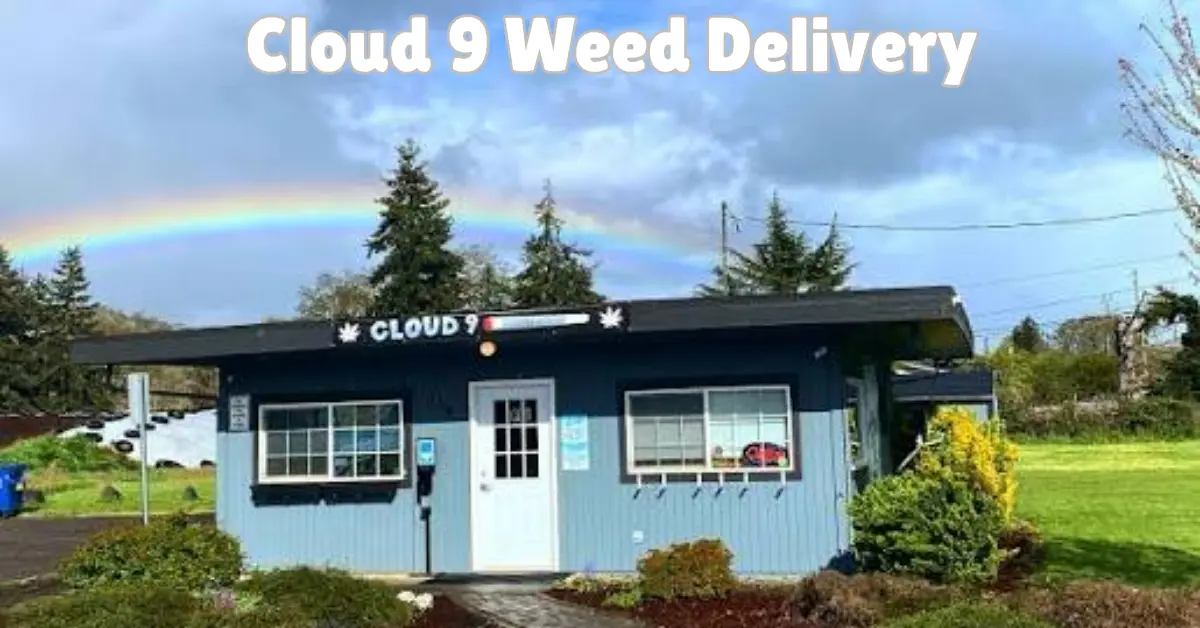
Cloud 9 weed delivery is a search phrase that can refer to an online cannabis-delivery brand, service, or general search for cannabis delivery. Because names and availability can differ by location, it is important to distinguish between a keyword people search for and a verified service operating legally in a particular jurisdiction.
From a technology perspective, cannabis-related delivery services are interesting because they combine e-commerce systems, location technology, inventory management, payment processing, identity verification, customer support, and data security.
For Indian readers, there is an additional consideration: cannabis laws and regulations can differ significantly from those in other countries. A website appearing in search results does not automatically mean that a service is legal, authorized, or available in India.
This guide explains the technology behind online delivery platforms, how consumers can evaluate websites safely, why privacy matters, and how related terms such as Cloud House, cloud computing essentials unlock benefits, and black cloud tattoo can represent completely different search intents.
What Does Cloud 9 Weed Delivery Mean?
The phrase “cloud 9 weed delivery” is generally a search query associated with cannabis delivery, but the exact meaning depends on the website, business, location, and context behind the search.

A keyword alone cannot verify that a company is legitimate. Searchers should avoid assuming that a business name, social-media profile, or website represents a licensed service.
Search results may contain:
- Business or brand names
- Informational articles
- Location-based searches
- Online marketplaces
- Reviews and discussions
- Unrelated pages using similar wording
This makes search-intent analysis important for both users and SEO professionals.
Why Search Intent Matters
Search intent describes what someone is trying to accomplish when they enter a query into a search engine.
For this keyword, possible intent categories include:
- Navigational intent: Looking for a specific brand or website.
- Informational intent: Learning what a delivery service is.
- Commercial intent: Comparing available services.
- Local intent: Searching for services in a particular jurisdiction.
A high-quality website should address the user’s actual intent without making unsupported claims about availability or legality.
How Technology Powers Modern Delivery Platforms
Technology is a major component of modern delivery businesses. The same basic systems used by ordinary e-commerce companies can support regulated industries, although regulated products require additional compliance controls.
A typical platform may use a combination of:
- Cloud hosting for websites and applications.
- Databases for inventory and customer records.
- APIs for connecting different software systems.
- Geolocation services for determining service areas.
- Identity verification where legally required.
- Payment systems for processing transactions.
- Analytics platforms for understanding website performance.
- Security systems for protecting accounts and information.
The important point is that technology does not determine legality. A technically sophisticated website can still be unauthorized or unsuitable for a particular jurisdiction.
Cloud Computing Essentials Unlock Benefits for Delivery Businesses
The phrase cloud computing essentials unlock benefits connects directly with the technology infrastructure behind many modern online businesses.
Cloud computing allows organizations to access computing resources through internet-connected infrastructure rather than maintaining every server themselves.
For an online delivery platform, cloud technology can support:
Scalable Infrastructure
Traffic can increase significantly during promotions or busy periods. Cloud infrastructure can help websites handle changing workloads more efficiently.
Data Management
Cloud databases can store information required by a business, subject to appropriate security, privacy, and regulatory requirements.
Application Integration
APIs can connect websites with services such as mapping, notifications, analytics, customer-support systems, and other business software.
Reliability
Professional cloud infrastructure can provide redundancy and monitoring that help businesses maintain service availability.
These benefits apply broadly to e-commerce, logistics, healthcare, financial technology, and many other industries.
Why Privacy and Security Matter
Any website requesting personal information should be evaluated carefully.
Depending on the platform and jurisdiction, an online service may potentially handle information such as names, contact details, addresses, account credentials, payment information, or verification data.
Good security practices include:
- Using HTTPS for encrypted connections.
- Explaining how personal data is collected and used.
- Providing clear privacy policies.
- Limiting unnecessary data collection.
- Protecting user accounts with strong authentication.
- Keeping software and security systems updated.
Users should be particularly cautious about websites that request sensitive information without explaining why it is needed.
Understanding Legality in India
Indian readers should not assume that a cannabis-related website operating in another country is legal or accessible in India.
Cannabis regulation in India involves national and state-level legal considerations, and different cannabis-related products may be treated differently under applicable laws. Regulations can also change over time.
Therefore, searchers should verify information through reliable official government or legal sources rather than relying solely on advertisements, social-media posts, forums, or search snippets.
The safest principle is simple: a website’s presence in Google does not establish that its products or services are legal in your location.
Cloud House: Why Similar Keywords Can Cause Confusion
Cloud House may refer to an entirely different business, website, concept, or brand depending on the context.
This illustrates an important SEO principle: similar words do not necessarily represent the same search intent.
For example, “cloud” can relate to:
- Cloud computing
- Weather
- Architecture
- Businesses and brands
- Entertainment
- Software services
SEO content should therefore consider context instead of connecting unrelated keywords simply because they share a common word.
Black Cloud Tattoo Has a Different Search Intent
The phrase black cloud tattoo is another example of a keyword that should not automatically be associated with cannabis or technology.
Someone searching for black cloud tattoo may be looking for:
- Tattoo design inspiration
- Symbolism and meanings
- Placement ideas
- Artistic styles
- Tattoo aftercare information
From an SEO perspective, this is a separate topic with a different audience and purpose.
Using unrelated secondary keywords excessively can reduce content quality and make an article appear unnatural. Semantic relevance is more valuable than simply inserting keywords into paragraphs.
How to Evaluate an Online Service Safely
If you encounter a website associated with a regulated product or service, evaluate the website before trusting its claims.
Step 1: Identify the Business
Look for a clearly stated company or organization name, contact information, terms of service, and privacy policy.
Step 2: Check Jurisdiction
Determine where the business claims to operate and whether its services are permitted there.
Step 3: Look for Official Verification
For regulated industries, check whether the relevant government or regulatory authority provides a public licensing or registration system.
Step 4: Review Website Security
Check whether the website uses HTTPS and whether its privacy and security information is clearly explained.
Step 5: Avoid Suspicious Requests
Be cautious when a website pressures visitors to provide unnecessary personal information, make unusual payments, or bypass normal legal requirements.
Common Mistakes When Searching for Delivery Services
Searchers can make several mistakes when relying on search engines.
Mistake 1: Trusting the First Search Result
Ranking position does not guarantee legitimacy.
Mistake 2: Assuming a Brand Name Is Unique
Different businesses can use similar names in different regions.
Mistake 3: Ignoring Local Laws
A service may be legal in one jurisdiction and prohibited or restricted in another.
Mistake 4: Sharing Too Much Personal Information
Users should understand why information is requested before submitting it.
Mistake 5: Confusing SEO Content With Verification
An article or review can explain a service without proving that the service is officially licensed.
Frequently Asked Questions
What is cloud 9 weed delivery?
Cloud 9 weed delivery is a search phrase that may refer to a cannabis-delivery brand or service, depending on location and context. The phrase itself does not confirm that a particular business is legitimate, licensed, available, or legal. Users should verify the exact business and applicable laws through reliable sources.
Is cannabis delivery legal in India?
Cannabis laws in India are subject to specific legal definitions, regulations, and jurisdictional considerations. The legality of a particular cannabis product or service cannot be determined simply from an online advertisement. Anyone researching the issue should consult current official government information or qualified legal guidance for their specific circumstances.
How does cloud computing help delivery platforms?
Cloud computing can provide scalable infrastructure, databases, application hosting, monitoring, analytics, and integrations. These technologies help online businesses manage changing workloads and connect different software systems. However, cloud infrastructure only provides technical capabilities; it does not determine whether a particular business or product is legally permitted.
Why is privacy important for online delivery websites?
Privacy is important because online platforms may process personal and account information. A trustworthy website should clearly explain what information it collects, why it needs it, how it protects the information, and how users can manage their data. Visitors should avoid providing unnecessary sensitive information to unfamiliar websites.
Why are Cloud House and black cloud tattoo included as related keywords?
They demonstrate how the word “cloud” can appear in completely different search contexts. Cloud House may represent a business or concept, while black cloud tattoo can relate to art and tattoo design. SEO content should use secondary keywords only when they have genuine semantic relevance to the reader’s search intent.
Conclusion
Cloud 9 weed delivery is a keyword whose meaning depends heavily on the specific business, location, and searcher’s intent. From a technology perspective, delivery platforms can rely on cloud infrastructure, databases, APIs, mapping systems, payment technology, analytics, and security controls.
For Indian readers, legality and jurisdiction should remain the first consideration when researching regulated products or services. A professional-looking website or high search ranking should never be treated as proof of authorization.
The practical next step is to identify the exact business behind the keyword, verify its jurisdiction and legal status through trustworthy sources, and review its privacy and security practices before sharing personal information.
For SEO professionals, the broader lesson is equally useful: strong content should satisfy genuine search intent, maintain topical relevance, distinguish related concepts, and provide accurate information instead of forcing keywords into unrelated sections.
