

Introduction
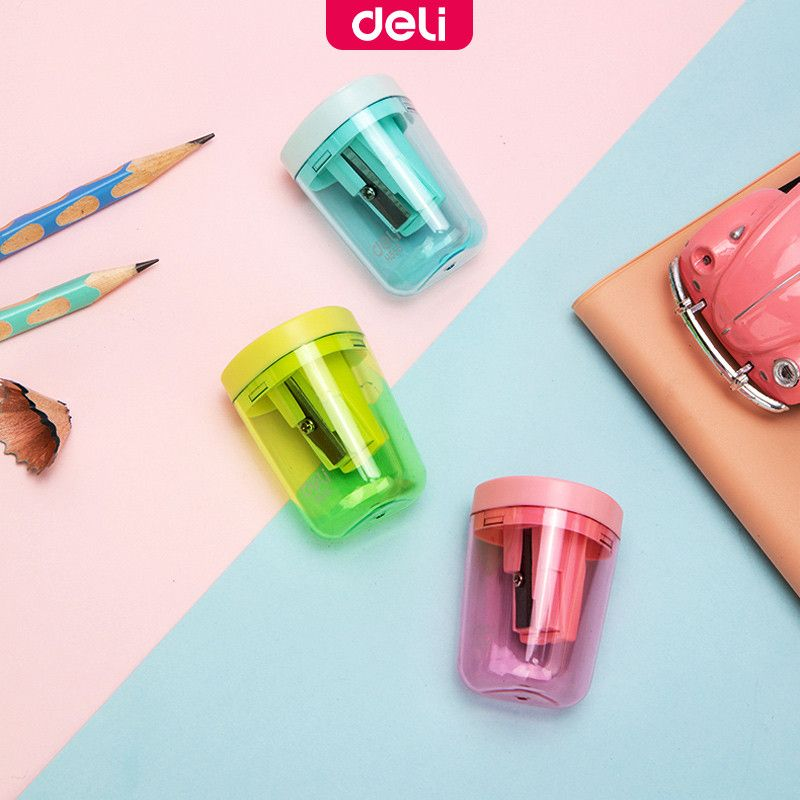
A sharpner is one of the most useful tools found in homes, schools, offices, workshops, and art studios. Although it may appear to be a simple item, it plays an important role in keeping pencils, blades, and other cutting tools in excellent condition. A well-maintained sharpner improves precision, saves time, and enhances the overall user experience. Whether you are a student preparing for exams, an artist creating detailed sketches, or a professional using pencils daily, choosing the right sharpner can make a noticeable difference.
Many beginners overlook the importance of selecting the proper sharpner and maintaining it correctly. As a result, they often experience broken pencil tips, uneven sharpening, wasted materials, or damaged tools. Understanding how a sharpner works helps users achieve better results while extending the life of both the sharpner and the items being sharpened.
This guide explains everything you need to know about a sharpner in simple language. You will learn its purpose, different types, benefits, proper usage methods, maintenance techniques, and common mistakes to avoid. By the end of this article, you will have the confidence to choose the right sharpner for your needs and use it effectively for long-lasting performance.
What Is Sharpner?
A sharpner is a tool designed to create a fine point on pencils or restore the sharp edge of certain tools depending on its design. The most common type is the pencil sharpner, which uses a fixed blade to shave away wood and graphite until a pointed tip is formed. Other sharpeners are made for knives, scissors, or specialized equipment, but the basic purpose remains the same: restoring a usable edge or point.
Modern sharpner designs come in various sizes and styles. Some are compact enough to fit into a pencil case, while others are electric models suitable for classrooms and offices. Each type serves different needs, making it important to choose the correct option based on how frequently it will be used and the material being sharpened.
Why Is Sharpner Important?
A good sharpner improves writing, drawing, and overall productivity. A properly sharpened pencil creates clean lines, smooth handwriting, and accurate sketches. This is especially valuable for artists, engineers, architects, and students who depend on precision every day.
Using a quality sharpner also helps reduce waste. Instead of breaking pencil tips repeatedly or removing excessive wood, an efficient sharpner produces consistent results while preserving the pencil. Over time, this saves money and ensures a better experience during everyday tasks.
Step-by-Step Guide to Using a Sharpner
Choose the Right Sharpner
Select a sharpner that matches your needs. Manual sharpeners are excellent for everyday use, while electric sharpeners are ideal for environments where many pencils need sharpening quickly. Artists often prefer high-quality manual sharpeners because they provide greater control over the pencil point.
Inspect the Blade
Before sharpening, check whether the blade is clean and sharp. A dull blade may tear the wood instead of cutting it smoothly, leading to broken pencil tips and uneven results.
Insert the Pencil Correctly
Sharpner: A Complete Beginner’s Guide to Types, Uses, Benefits, and Best Practices
IT Companies in Pune: Complete Beginner’s Guide to India’s IT Hub
Cyber Security Job: Complete Beginner’s Guide to Building a Successful Career
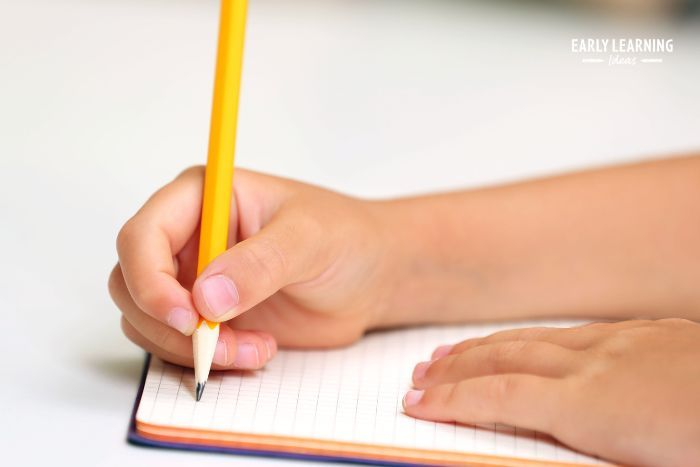
Place the pencil gently into the sharpner without forcing it. Make sure it is aligned properly with the sharpening hole to prevent damage to both the pencil and the sharpner.
Rotate Smoothly
Turn the pencil slowly while applying light pressure. Avoid twisting too quickly because excessive force may break the graphite core inside the pencil.
Check the Tip
After several turns, remove the pencil and inspect the point. If it is sharp enough for your intended task, stop sharpening. Over-sharpening shortens the lifespan of the pencil.
Remove Shavings
Empty the container if your sharpner has one. Keeping the sharpner clean prevents blockages and ensures consistent sharpening performance.
Store Properly
Keep your sharpner in a dry place away from moisture. Proper storage prevents rust, protects the blade, and extends the life of the tool.
Benefits of Sharpner
A quality sharpner offers many practical advantages.
- Produces smooth and accurate pencil points
- Improves handwriting quality
- Enhances drawing precision
- Reduces pencil breakage
- Saves time during daily work
- Extends pencil lifespan
- Minimizes material waste
- Easy to carry and store
- Available in manual and electric versions
- Suitable for schools, offices, and homes
- Affordable and long-lasting
- Requires minimal maintenance
Disadvantages / Risks
Despite its usefulness, a sharpner also has some limitations.
- Low-quality blades become dull quickly
- Cheap sharpeners may damage pencils
- Electric models require power
- Over-sharpening wastes pencil material
- Blades can become rusty if exposed to moisture
- Improper use may cause minor cuts
- Plastic models may crack over time
- Frequent sharpening creates additional waste
Common Mistakes to Avoid

Nudi Software: An Important Tool for Kannada Typing and Digital Communication
LabSmart Software: Smart Management for Pathology Labs!
Cyber Security Diagram: A Complete Beginner’s Guide to Understanding Network Security
One of the biggest mistakes is using excessive force while sharpening. Pressing too hard often causes the graphite core to snap, leaving users frustrated. Instead, rotate the pencil gently and allow the blade to remove material naturally. Smooth and controlled movements produce much better results than aggressive twisting.
Another common mistake is ignoring blade maintenance. A dull or dirty blade reduces sharpening quality and damages pencils. Regular cleaning and timely blade replacement help maintain consistent performance. Avoid over-sharpening as well, since removing more material than necessary shortens the life of every pencil.
FAQs
1. What is the main purpose of a sharpner?
A sharpner creates a fine and usable point on pencils or restores sharp edges on certain tools. It improves writing accuracy, drawing quality, and overall efficiency.
2. Which type of sharpner is best for students?
A manual sharpner with a high-quality steel blade is an excellent choice for students because it is portable, affordable, and easy to use throughout the day.
3. How often should a sharpner be cleaned?
The sharpner should be cleaned whenever shavings begin to accumulate. Frequent cleaning prevents clogging and helps maintain smooth sharpening performance.
4. Why does my pencil keep breaking inside the sharpner?
This usually happens because of a dull blade, poor-quality pencils, excessive pressure, or misalignment during sharpening. Using a better sharpner often solves the problem.
5. Can one sharpner sharpen every type of pencil?
No. Some pencils have different sizes or materials. Choosing a sharpner designed for the specific pencil size ensures the best results.
6. How long does a sharpner last?
A high-quality sharpner can last for several years if cleaned regularly, stored properly, and used carefully. Blade quality largely determines its lifespan.
Expert Tips & Bonus Points
Choosing a sharpner made with durable metal blades provides better long-term performance than very inexpensive plastic alternatives. Investing in quality often reduces replacement costs because better sharpeners remain effective for much longer. If you sharpen pencils frequently, consider keeping both a portable manual sharpner and an electric model for different situations.
For artists, experiment with different sharpening lengths depending on your drawing style. A longer pencil point is useful for shading, while a shorter point provides better control for detailed work. Regular maintenance, careful handling, and proper storage are simple habits that significantly improve sharpening performance and extend the life of your equipment.
Conclusion
A sharpner may seem like a small tool, but its importance should never be underestimated. Whether used by students, professionals, artists, or office workers, it contributes to better writing, cleaner sketches, and greater productivity. Selecting the right sharpner and using it correctly ensures consistent results while reducing unnecessary waste and frustration. Even simple maintenance practices such as cleaning the blade and storing the sharpner in a dry place can greatly improve its lifespan and reliability.
Understanding the different types of sharpeners, their benefits, and the correct sharpening techniques helps beginners make informed decisions. Instead of viewing a sharpner as just another stationery item, it should be considered an essential tool that supports accuracy, efficiency, and convenience in everyday tasks. By following the tips and best practices discussed in this guide, you can keep your pencils and tools in excellent condition while enjoying smoother performance for years to come. A reliable sharpner is a small investment that delivers lasting value through better precision, improved durability, and an overall more enjoyable user experience.
KSB Tech Explained: Features, Services, and Benefits
Umesh Tech Support: Your Complete Guide to Reliable Technical Assistance
Web Development Icon: A Complete Beginner’s Guide to Design, Use, and Best Practices
SAP Software Download: Complete Guide to Installation, Features, Benefits, and System Requirements
